Confidence is often misunderstood as something people either naturally possess or lack entirely. In reality, it is neither fixed nor gifted. Confidence is developed over time through consistent action, deliberate effort, and a willingness to step outside of comfort zones.
At M90 Strategies, we see first hand that the individuals who grow the fastest are not necessarily the most naturally confident, but those who choose to act despite uncertainty. Confidence is not the starting point. It is the result.
Confidence Comes From Doing, Not Waiting
One of the most common barriers to growth is the belief that confidence must come before action. Many people delay opportunities, waiting until they feel ready, prepared, or certain of the outcome.
However, confidence is not a prerequisite for action. It is built through it.
Every interaction, every challenge, and every moment of discomfort contributes to developing belief in your own ability. Over time, these experiences create a foundation of self assurance that cannot be achieved through preparation alone.
The individuals who progress are those who take action first and allow confidence to follow.
Act Like the Person You Want to Become
Personal and professional growth often comes down to behaviour. The version of yourself that achieves your goals operates with a different mindset, level of discipline, and standard of execution.
Rather than waiting to become that person, the most effective approach is to begin acting in alignment with who you aspire to be.
This means showing up with intention, communicating with clarity, and approaching challenges with a solution focused mindset. By consistently aligning your actions with your future self, you gradually close the gap between where you are and where you want to be.
Confidence develops as a byproduct of this alignment.
You Do Not Need Permission to Level Up
A significant limitation for many individuals is the tendency to seek external validation before taking the next step. Whether it is approval from leadership, recognition from peers, or reassurance from circumstances, this mindset can delay progress.
Growth does not require permission. It requires ownership.
The moment you take responsibility for your development, set higher standards, and commit to improving your performance, you begin to operate at a different level. This shift is not dependent on external factors, but on internal decision making.
Those who progress the fastest are those who decide to move forward before being asked to.
The Only Approval You Need Is Your Own
While external recognition can be motivating, it is not a reliable foundation for long term confidence. It fluctuates based on results, opinions, and variables that are often outside of your control.
Sustainable confidence is built internally.
It comes from knowing that you have prepared effectively, executed with intent, and maintained high standards regardless of the outcome. When you begin to measure your performance against your own expectations rather than external validation, your confidence becomes far more consistent and resilient.
This internal standard creates stability, even in challenging environments.
Doubt Kills More Dreams Than Failure Ever Will
Failure is often perceived as something to be avoided, yet in reality it is one of the most valuable components of growth. It provides feedback, highlights areas for improvement, and strengthens resilience.
Doubt, on the other hand, prevents action entirely.
It discourages individuals from taking opportunities, trying new approaches, or stepping into unfamiliar environments. While failure allows for learning and progression, doubt results in stagnation.
The most successful individuals are not those who avoid failure, but those who refuse to let doubt dictate their decisions.
You Are Closer Than You Think
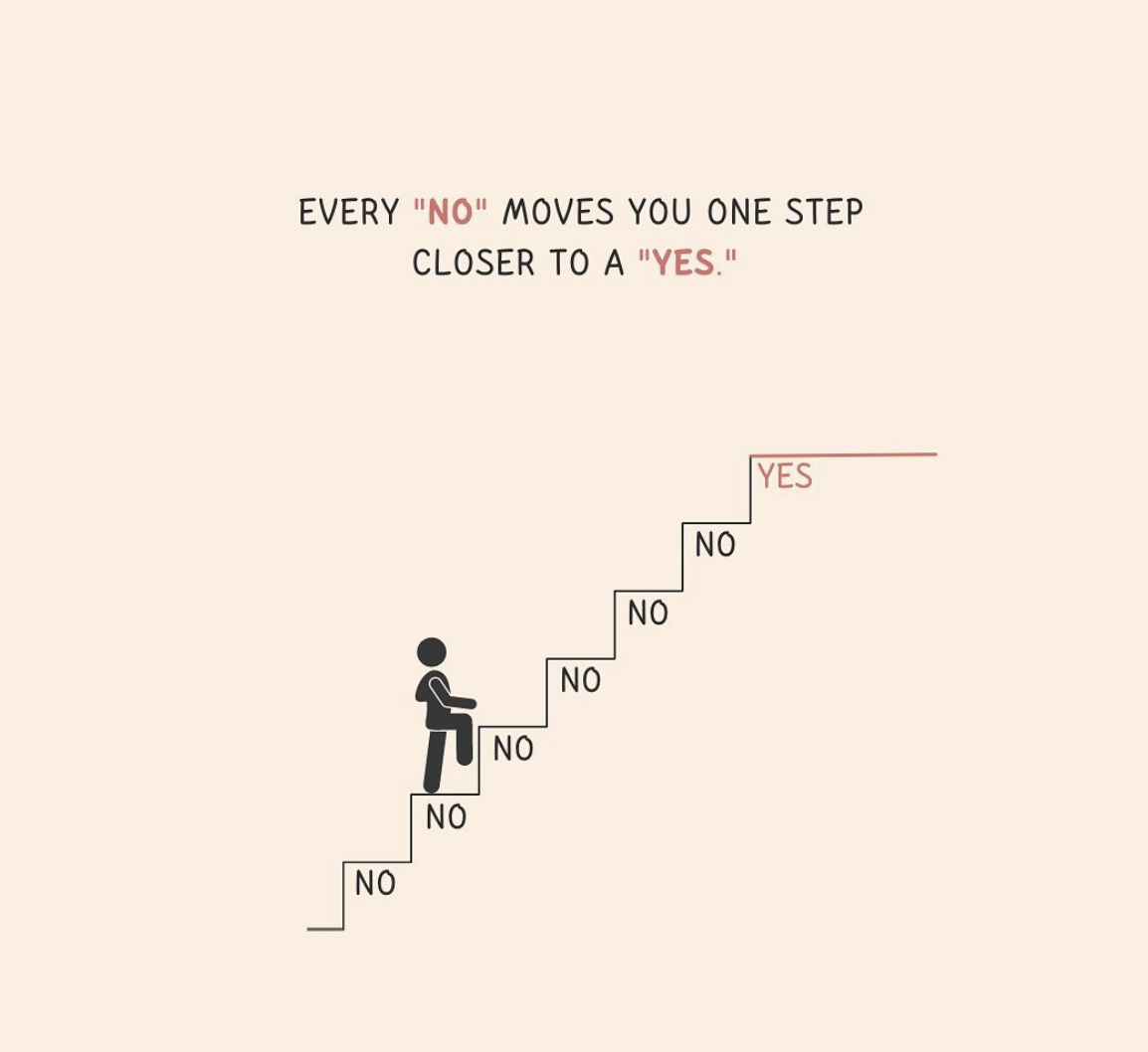
Progress is not always immediately visible, which can make it difficult to recognise how far you have come. However, growth is often happening beneath the surface.
Every conversation develops communication skills. Every challenge builds resilience. Every day of consistent effort contributes to long term progress.
It is important to recognise that you are not starting from the beginning. You are building on experience, learning from each step, and moving forward incrementally.
With consistency and focus, the results you are working towards are often much closer than they appear.